


Chosen Theme: Recycled and Upcycled Wall Materials

Welcome! Today we explore Recycled and Upcycled Wall Materials—how cast‑off resources become expressive, durable, and planet‑positive surfaces. Expect practical tips, honest stories, and creative ideas. If this sparks you, subscribe and share your own recycled wall experiments in the comments.

Why Recycled and Upcycled Walls Matter Now

Cutting Carbon Through Circular Choices

Buildings account for a significant share of global emissions, and materials are a sizable slice. By reusing wood, glass, metals, and plastics, we conserve energy otherwise spent on extraction and manufacturing. Your wall can act like a small carbon intervention—quiet, beautiful, and effective.

Healthier Interiors Without the Compromise

Many recycled and upcycled wall options use low‑VOC finishes and water‑based adhesives, improving indoor air quality. Felt panels made from recycled PET bottles can dampen noise while skipping harsh binders. Share your sensitivities or must‑avoid chemicals, and we’ll help you navigate safer selections.

Design Directions: From Rustic Grace to Urban Glow

Recycled glass tile, mirror offcuts, and polished terrazzo brighten dim rooms by scattering daylight. Stagger tiles, add a soft grout color, and flank with matte finishes to keep glare comfortable. It’s a simple trick that makes compact entryways and corridors feel wider and more welcoming.

Design Directions: From Rustic Grace to Urban Glow

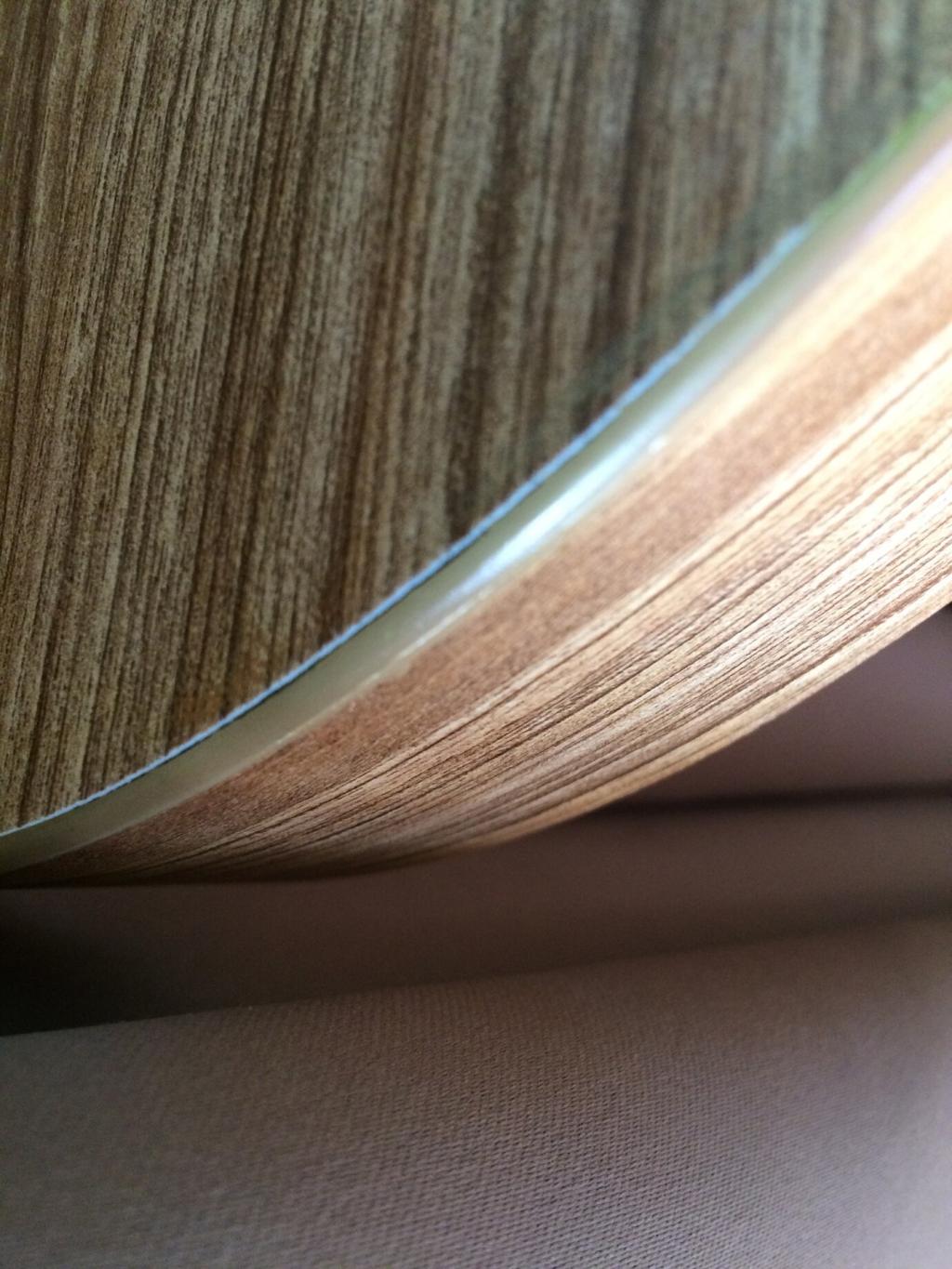
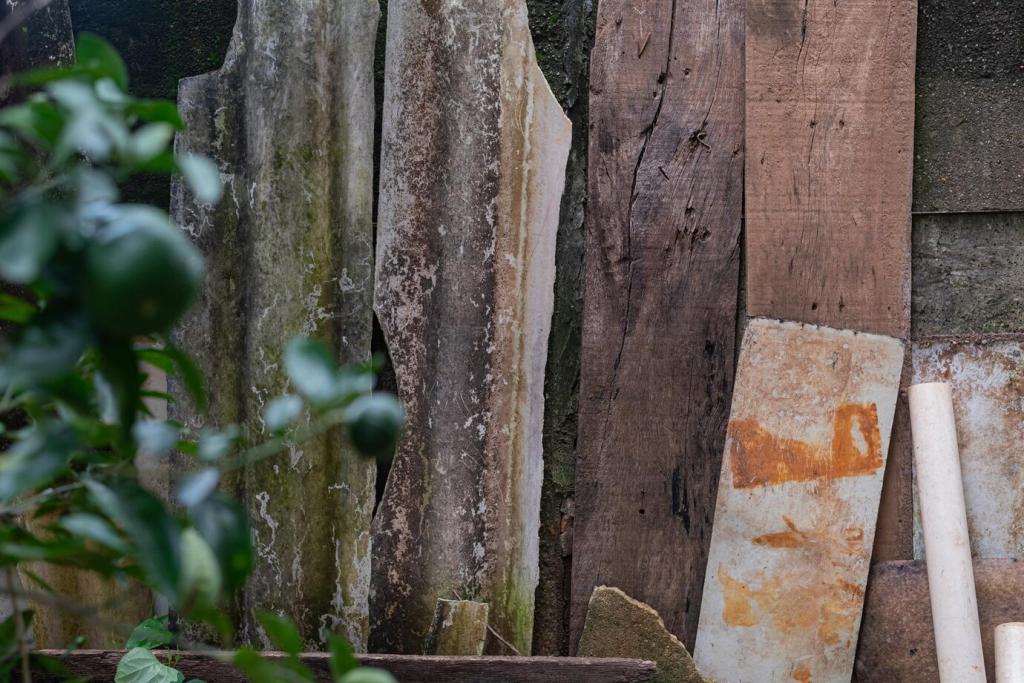
Reclaimed planks bring grain, knots, and subtle color shifts that new lumber can’t replicate. Run boards vertically to heighten ceilings or chevron them for movement. Pair with linen, clay, and aged brass for a timeless, grounded feeling that softens technology‑heavy spaces instantly.

Safe, Smooth, and Code‑Smart Installation

Check for flatness, fasten loose drywall, and prime where needed. In damp zones, use cement board or a waterproof membrane behind glass or metal. For reclaimed wood, acclimate boards in the room for days, then seal cut ends to reduce cupping and gaps over time.

Safe, Smooth, and Code‑Smart Installation

Choose water‑based, low‑VOC construction adhesives and mechanical fasteners appropriate to the material. Many PET felt panels hang with cleats for easy removal. Finish reclaimed wood with zero‑VOC oil or wax. Share brand questions, and we’ll compile community‑tested products that live up to their labels.


Sourcing: From Salvage Yards to Community Streams

Start with architectural salvage yards, habitat reuse centers, deconstruction firms, and commercial remodel auctions. Ask about moisture history, past finishes, and species or alloy types. For glass and terrazzo, request recycled content documentation and batch consistency to avoid surprise color shifts.

Sourcing: From Salvage Yards to Community Streams

Seek FSC Recycled for wood, EPDs for glass or composites, and Declare or HPDs for transparency. Paperwork is not perfection, but it signals effort. If a supplier dodges questions, consider it data. Share red flags you encounter so others can sidestep the same pitfalls.
Sandwichvo
Privacy Overview

This website uses cookies so that we can provide you with the best user experience possible. Cookie information is stored in your browser and performs functions such as recognising you when you return to our website and helping our team to understand which sections of the website you find most interesting and useful.