Naturally Beautiful Walls: Biodegradable Wallpapers and Coverings
Theme: Biodegradable Wallpapers and Coverings. Welcome to a home page devoted to sustainable style, where earth-friendly materials meet soulful design. Discover how plant-based fibers, low-VOC inks, and compostable backings can transform rooms with warmth, texture, and conscience. Stay to learn, share your experiences, and subscribe for eco-centered inspiration delivered to your inbox.
What Biodegradable Wallpapers and Coverings Really Mean
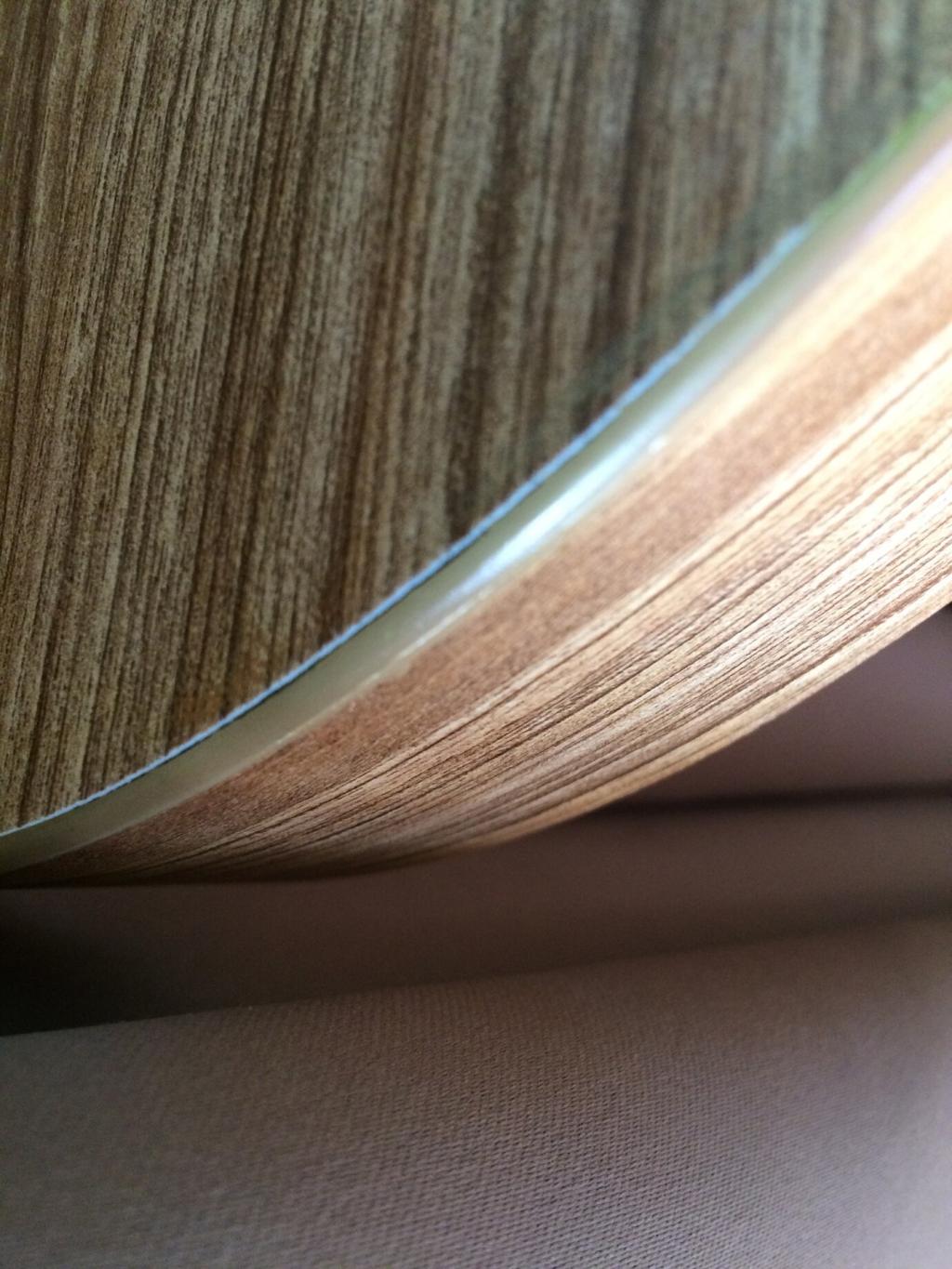
Biodegradable coverings are typically crafted from cellulose, jute, hemp, linen, bamboo, cork, or grasscloth. These fibers come from renewable sources, decompose gracefully, and avoid petroleum-heavy plastics. They lend tactile richness, regulate humidity, and help rooms feel grounded, honest, and refreshingly alive.
What Biodegradable Wallpapers and Coverings Really Mean
Water-based inks and plant-derived dyes reduce volatile organic compounds, keeping indoor air calmer and kinder. Gentle finishes maintain breathability while protecting fibers from everyday wear. Ask brands about VOC data and binders, and comment below if you have a favorite low-VOC line to recommend.
Design Possibilities With a Living, Breathing Aesthetic
From cork’s soft speckle to the linear rhythm of grasscloth, tactile depth invites touch and slows the eye. Textures diffuse light, soften echoes, and add a handcrafted calm. Post photos of your favorite textures, and let’s crowdsource a gallery of nature-forward wall inspiration.
Installation Essentials for Planet-Friendly Walls
Begin with clean, dry, smooth walls and a mineral or low-VOC primer. Sand lightly, remove dust, and repair hairline cracks. Proper prep prevents bubbles and ensures fibers lie flat. Tell us what primers worked for you, and help other readers choose wisely.
Cleaning the gentle way
Dust with a soft microfiber cloth or a vacuum’s brush attachment. Spot clean using a barely damp cloth and mild soap if the material allows. Avoid abrasives and strong chemicals. Tell us which gentle methods saved your walls and what to avoid for specific fibers.

Where these coverings truly shine
Bedrooms, living rooms, libraries, and home offices reward natural fibers with lower wear. Entryways and playrooms may need tougher textures or protective finishes. Share your room-by-room results, and subscribe for our high-traffic guide coming next week.
Sustainability You Can Measure
Certifications that actually guide
Look for FSC or PEFC for fiber sourcing, and low-VOC certifications from credible labs. Some brands pursue Cradle to Cradle assessments. Certifications are starting points, not endpoints—ask questions and share trustworthy labels you rely on so we can build a shared checklist.
End-of-life done right
When it is time to refresh, remove gently, separate any staples, and check municipal compost rules. Some industrial composters accept cellulose-based coverings without plastic coatings. Comment if your city supports this, so others can reference your experience and advocate locally.
Short supply chains, smaller footprints
Local mills, regional fibers, and batch dyeing can reduce transportation emissions and material waste. Ask brands about sourcing maps or impact reports. If you find a maker with transparent logistics, tag them here—visibility pushes the entire industry toward better practices.
Sourcing Tips Without Waste
Sample smart and size wisely
Order only what you need for true-to-life color and texture checks. Move samples around the room at different times of day. Donate or swap extras in community groups, and tell us where you organize sample exchanges near you.
Questions to ask makers and shops
Request fiber breakdowns, adhesive recommendations, VOC data, and end-of-life guidance. Ask about dye sources and finishing resins. When vendors answer clearly, everyone benefits. Share your go-to questions to help readers feel confident before they buy.
Local shops and community connections
Independent wallpaper studios often carry beautiful biodegradable lines and provide hands-on advice. Community reuse centers welcome leftover rolls for creative projects. Comment with your favorite local shop, and subscribe for our directory of eco-forward retailers.
Real Homes, Real Stories
A nursery that breathes
Amara installed linen-based wallpaper with a starch paste before her baby arrived. The room smelled like fresh cotton, not chemicals. Night feedings felt calmer under soft, woven texture. She wrote us later, grateful for easy cleaning and the serenity it lends bedtime routines.
A café wrapped in cork
Luis chose cork wallcoverings for his espresso bar, hoping to quiet chatter and clinking cups. Customers noticed the cozy acoustics immediately. He spot-cleans splashes easily and loves the earthy backdrop for latte art photos. Share if you have a favorite public space using natural fibers.
A rental refresh without residue
Priya applied removable, cellulose-backed panels with a gentle paste in her rental hallway. At move-out, the walls were pristine, and her landlord asked for the supplier’s name. If you rent, tell us what strategies made your biodegradable upgrade truly temporary yet beautiful.
Mycelium and agricultural waste fibers
Researchers cultivate mycelium and upcycle straw, flax shive, and husks into lightweight, breathable panels. These bio-composites could expand structural stability and acoustic control. Would you try a mushroom-based wall? Subscribe for our upcoming interview with a biomaterials studio.
Algae inks and mineral pigments
Pigments derived from algae or clay offer rich color with minimal environmental impact. Combined with water-based binders, they maintain breathability and reduce VOCs. If you spot a brand piloting algae inks, drop a link so we can feature their work and test samples together.
Seed-embedded and circular adhesives
Concepts include seed-infused papers for garden composting and reversible, biodegradable adhesives that release without waste. Circular systems minimize offcuts and keep fibers valuable longer. Tell us which idea excites you most, and help guide our next deep-dive.